Silky Terrier: Personality, Size, Traits and Care Guide
If you are researching the Silky Terrier, you are looking at a toy-sized toy breed from Australia with a particular set of needs and strengths. They are often described as alert, friendly, and inquisitive, though every individual dog is shaped by upbringing, environment, and training. The Silky Terrier was historically used as a domestic rodent hunter and companion, which continues to influence how the breed behaves today. The sections below cover what owners typically experience day to day, alongside care points worth thinking about before bringing one home.

Quick facts
- Group
- Toy
- Origin
- Australia
- Size
- Toy
- Life expectancy
- 13–15 years
- Male height
- 9–10 in
- Female height
- 9–10 in
- Male weight
- 8–11 lb
- Female weight
- 7–10 lb
- Coat type
- straight, single, glossy, silky coat
- Colours
- blue and tan
Trait ratings
Ratings are 0–5 general guidance from the breed dataset. Individual dogs always vary.
Personality and temperament
Temperament keywords commonly attached to the Silky Terrier include alert, friendly, inquisitive, and spirited. Energy levels are usually fairly high, which directly affects how much daily stimulation the dog will look for. Most are notably playful and enjoy interactive games well into adulthood. Many Silky Terriers are vocal and will bark to communicate, which is worth knowing for terraced or shared homes.
Size and appearance
The Silky Terrier is a toy-sized dog with a recognisable silhouette. Adult males typically stand around 9–10 inches at the shoulder, with females usually a little smaller at 9–10 inches. Weight ranges sit broadly at 8–11 lb for males and 7–10 lb for females, with variation by line and conditioning. Their coat is generally described as straight, single, glossy, silky coat. Common coat colours include blue and tan.
Coat and grooming
Grooming needs are generally moderate. Regular brushing — usually a few times per week — plus occasional baths and trims is a reasonable baseline. Shedding is on the lighter side, though no dog is truly shed-free.
Exercise needs
Daily exercise needs are generally moderate. Aim for around 45–60 minutes of activity daily, ideally split across a couple of outings. Mental stimulation matters as much as physical — scent games, food puzzles, and reward-based training all help channel that energy.
Training
Trainability is generally very responsive. Many take well to reward-based training, pick up cues quickly, and respond enthusiastically to clear, consistent direction. First-time owners can manage with research and ideally some support from a qualified trainer.
Family suitability
Many can live well with older, dog-savvy children, particularly with early socialisation and clear household rules. They can live with other dogs, particularly with thoughtful introductions and managed early contact. They can be polite with newcomers once introduced calmly.
Living environment
With sufficient daily exercise, this breed is generally considered well-suited to apartment living. Climate-wise, the breed manages warm weather with sensible precautions and is less suited to cold weather without a coat and careful planning.
Pros and cons
Often loved for
- ✓Generally responsive to reward-based training
- ✓Lighter-shedding than many breeds
- ✓Often adapts well to apartment living with enough exercise
- ✓Playful and engaging companion
Worth considering
- !Can be vocal
Who this breed is best for
The Silky Terrier is generally a good fit for households that can match its needs: adaptability to flat living, tolerance of a vocal dog, and ongoing time, training and care across what is typically a 10–15 year commitment. As always, individual dogs vary — meeting specific dogs and speaking to experienced owners is the best way to confirm fit.
Frequently asked questions
Is the Silky Terrier a good family dog?
Silky Terriers can do well in family homes, especially with older children who understand how to interact calmly with dogs. As with any breed, supervised interaction matters.
How much exercise does a Silky Terrier need?
About 45–60 minutes of daily exercise tends to suit the Silky Terrier, split into a couple of sessions where possible.
Does a Silky Terrier shed a lot?
Shedding is on the lighter side for this breed, though no dog is fully non-shedding.
Is a Silky Terrier easy to train?
Most Silky Terriers are responsive to reward-based training and can pick up cues quickly with consistent guidance.
Can a Silky Terrier live in an apartment?
Silky Terriers are often considered well-suited to apartments provided daily exercise and enrichment needs are met.
How long do Silky Terriers live?
Average life expectancy for the Silky Terrier is typically around 13–15 years. Individual lifespan depends on genetics, diet, exercise, veterinary care, and chance.
Reference source: AKC · Reviewed 2026-04-13
Similar breeds to the Silky Terrier
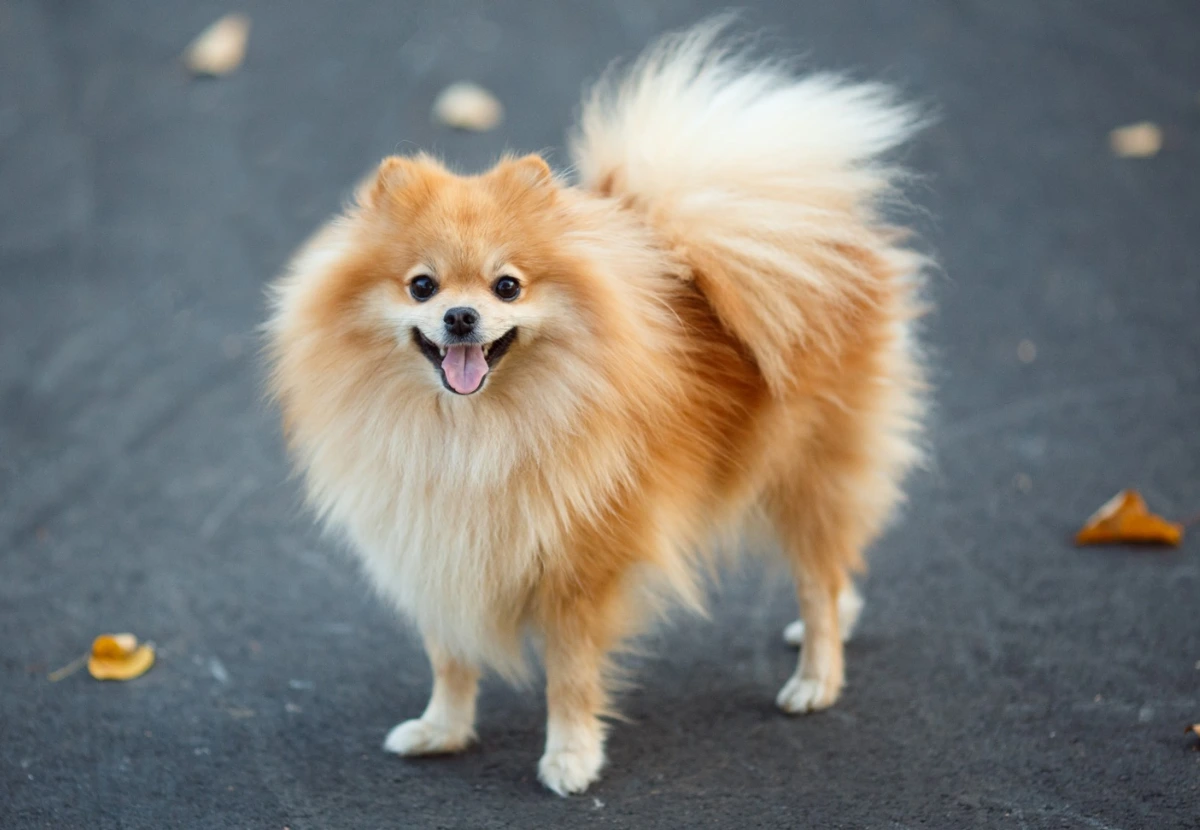 toy
toy Pomeranian
From Germany
Inquisitive, bold, lively, extroverted
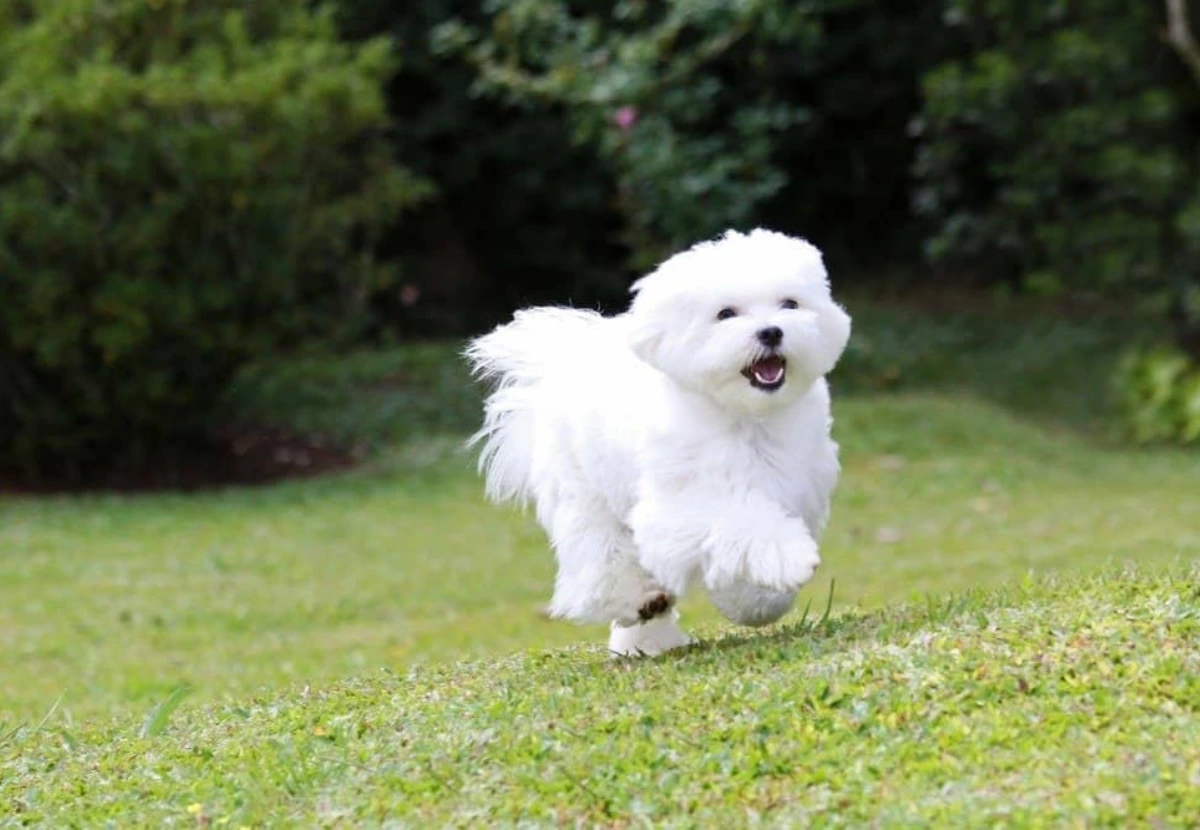 toy
toy Maltese
From Malta
Gentle, playful, affectionate, alert
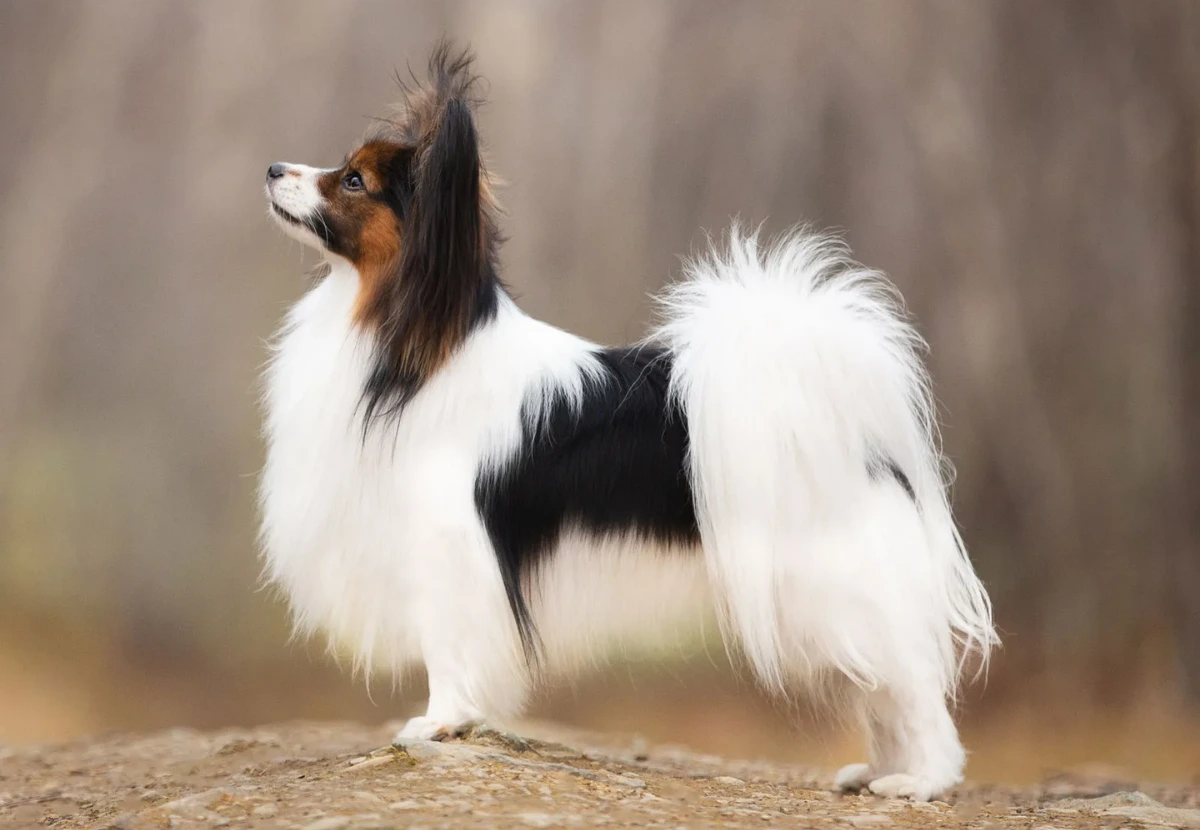 toy
toy Papillon
From France
Bright, friendly, lively, eager
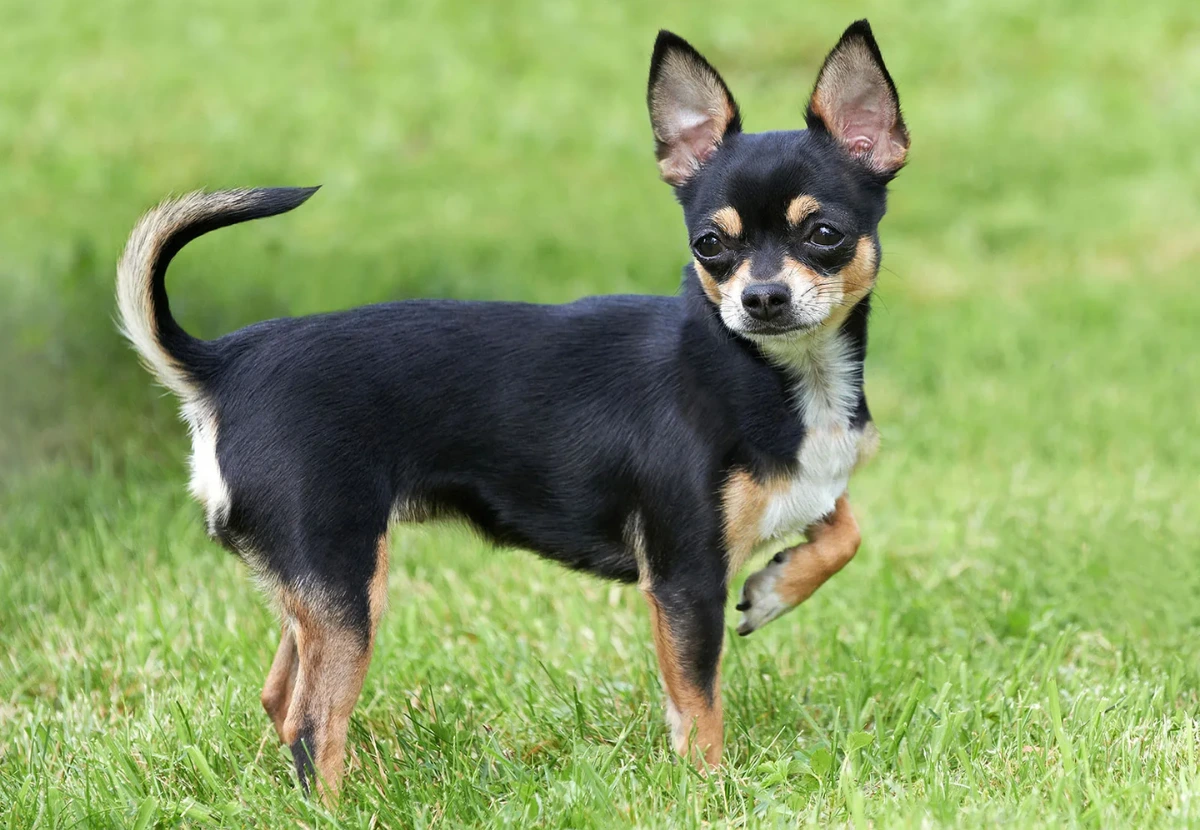 toy
toy Chihuahua
From Mexico
Devoted, alert, bold, lively
 toy
toy Toy Manchester Terrier
From England
Alert, devoted, lively, clever
 toy
toy Chinese Crested
From China
Affectionate, playful, alert, sensitive