Malamute: Personality, Size, Traits and Care Guide
Malamutes are large working dogs from Alaska, recognised for their distinctive presence and character. They are often described as friendly, strong-willed, and loyal, though every individual dog is shaped by upbringing, environment, and training. The Malamute was historically used as a arctic sled and freighting dog, which continues to influence how the breed behaves today. The sections below cover what owners typically experience day to day, alongside care points worth thinking about before bringing one home.

Quick facts
- Group
- Working
- Origin
- Alaska
- Size
- Large
- Life expectancy
- 10–14 years
- Male height
- 24–26 in
- Female height
- 22–24 in
- Male weight
- 85–100 lb
- Female weight
- 75–85 lb
- Coat type
- thick coarse guard coat with dense woolly undercoat
- Colours
- gray and white, black and white, red and white
Trait ratings
Ratings are 0–5 general guidance from the breed dataset. Individual dogs always vary.
Personality and temperament
Temperament keywords commonly attached to the Malamute include friendly, strong-willed, loyal, and playful. Energy levels are usually high, which directly affects how much daily stimulation the dog will look for. Most are notably playful and enjoy interactive games well into adulthood. They will bark when something genuinely catches their attention, but are not usually constant barkers.
Size and appearance
The Malamute is a large dog with a recognisable silhouette. Adult males typically stand around 24–26 inches at the shoulder, with females usually a little smaller at 22–24 inches. Weight ranges sit broadly at 85–100 lb for males and 75–85 lb for females, with variation by line and conditioning. Their coat is generally described as thick coarse guard coat with dense woolly undercoat. Common coat colours include gray and white, black and white, red and white.
Coat and grooming
Grooming needs are generally moderate. Regular brushing — usually a few times per week — plus occasional baths and trims is a reasonable baseline. Shedding is on the heavier side, and a robust vacuum becomes a household essential.
Exercise needs
Daily exercise needs are generally demanding. Plan for at least an hour or more of structured activity each day — long walks, secure off-lead time where appropriate, and varied mental enrichment. Mental stimulation matters as much as physical — scent games, food puzzles, and reward-based training all help channel that energy.
Training
Trainability is generally reasonably responsive. With patient, reward-based methods and consistency, most dogs of this breed progress steadily through basic and intermediate training. They are more often recommended to households with prior dog experience or access to a good trainer.
Family suitability
This breed is often considered child-friendly when raised in family environments, though all interactions between dogs and young children should be supervised. They can live with other dogs, particularly with thoughtful introductions and managed early contact. They can be polite with newcomers once introduced calmly.
Living environment
They typically do better in homes with garden access and space to move around. Climate-wise, the breed is more sensitive to heat and benefits from shade and cool times of day and tolerates cold conditions comfortably.
Pros and cons
Often loved for
- ✓Often considered good with children when properly socialised
- ✓Playful and engaging companion
Worth considering
- !Needs substantial daily exercise
- !Sheds noticeably
- !Often does better with garden access
Who this breed is best for
The Malamute is generally a good fit for households that can match its needs: significant daily exercise, and ongoing time, training and care across what is typically a 10–15 year commitment. As always, individual dogs vary — meeting specific dogs and speaking to experienced owners is the best way to confirm fit.
Frequently asked questions
Is the Malamute a good family dog?
Many Malamutes are considered family-friendly, particularly when raised around respectful children. That said, individual temperaments vary and supervision around young children is always recommended.
How much exercise does a Malamute need?
The Malamute typically needs an hour or more of daily activity, ideally combining walks, play, and mental stimulation. Without enough outlet, restlessness and unwanted behaviour can develop.
Does a Malamute shed a lot?
Malamutes tend to shed noticeably, with heavier seasonal periods. Frequent brushing and a good vacuum cleaner help keep things under control.
Is a Malamute easy to train?
Training the Malamute is workable with patience, consistency, and positive reinforcement.
Can a Malamute live in an apartment?
Malamutes typically prefer homes with more space and ideally a garden, though motivated owners can make apartment living work with effort.
How long do Malamutes live?
Average life expectancy for the Malamute is typically around 10–14 years. Individual lifespan depends on genetics, diet, exercise, veterinary care, and chance.
Reference source: AKC · Reviewed 2026-04-13
Similar breeds to the Malamute
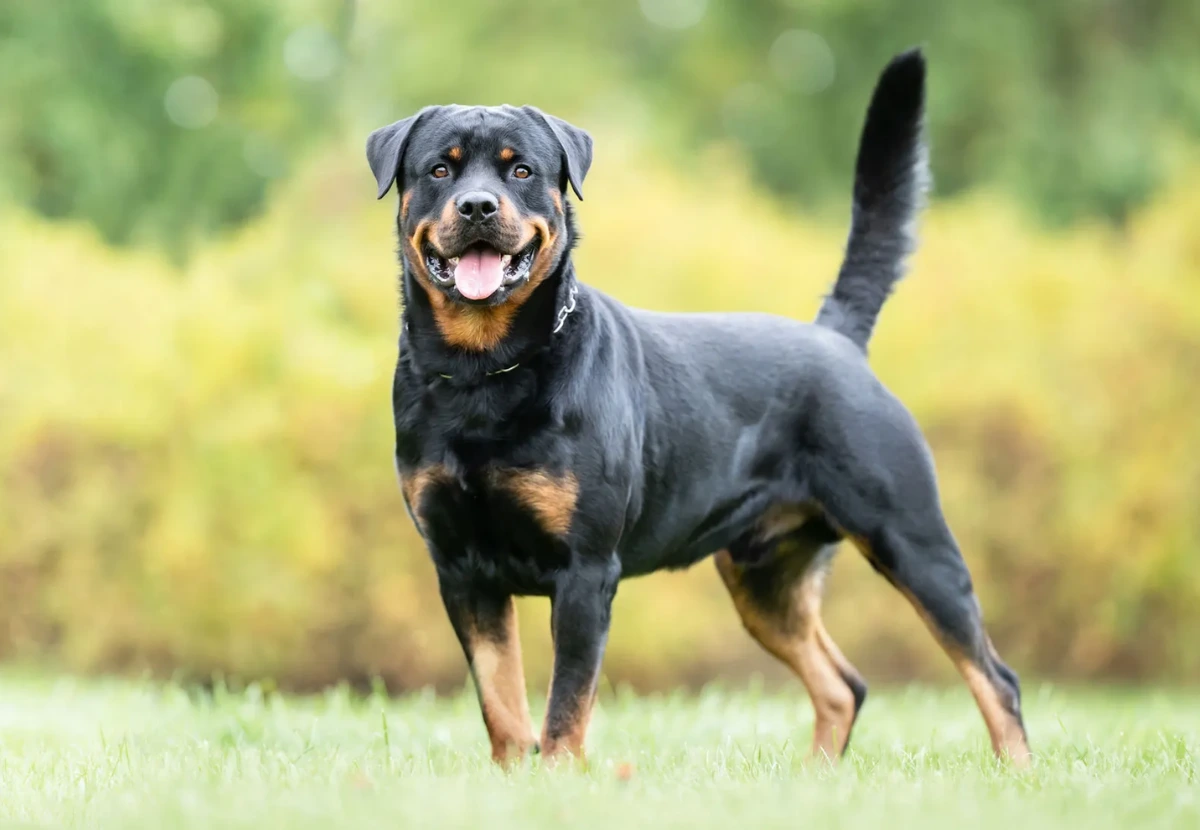 large
large Rottweiler
From Germany
Confident, watchful, even-tempered, courageous
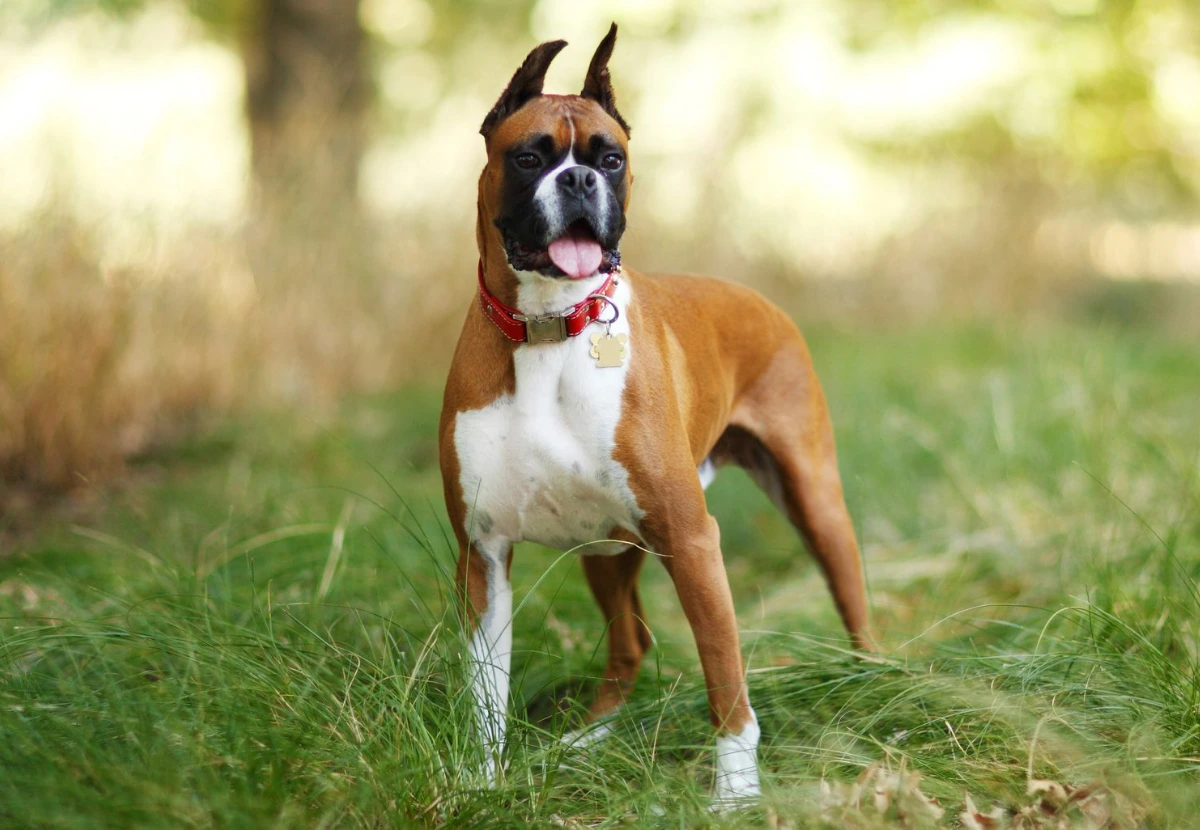 large
large Boxer
From Germany
Playful, loyal, alert, spirited
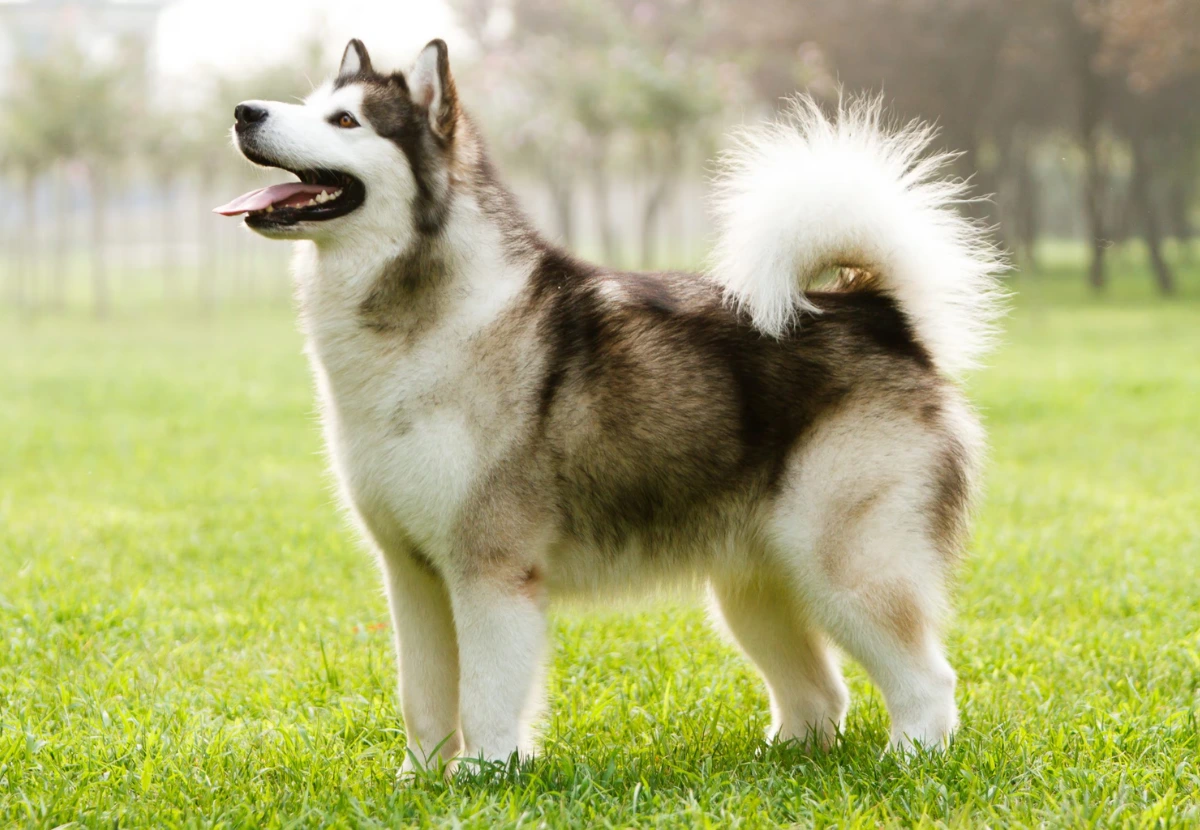 large
large Alaskan Malamute
From United States
Steady, affectionate, strong-willed, dignified
 large
large North American Indian Dog
From United States
Attentive, loyal, sensitive, adaptable
 large
large Argentine Dogo
From Argentina
Brave, loyal, determined, steady
 large
large Canadian Eskimo Dog
From Canada
Hardy, loyal, alert, driven