What Can I Give My Dog for Diarrhea? Safe Steps at Home
Wondering what to give your dog for diarrhea? Learn what's safe at home, what to avoid, and the warning signs that mean it's time to call your vet.
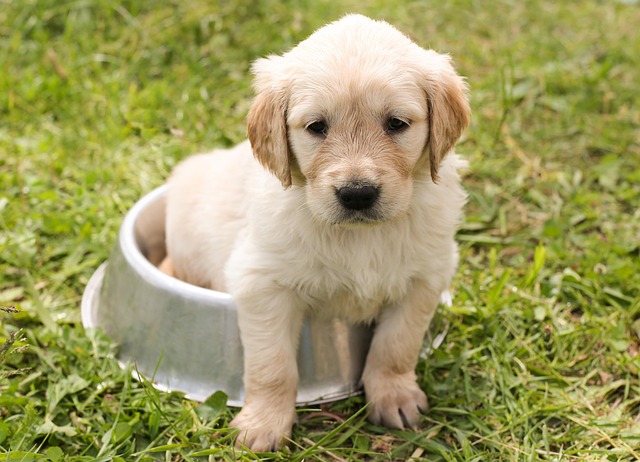
If your dog has a single episode of loose stool but is still bright, drinking and interested in life, the usual first steps are simple. Make sure fresh water is always available, offer small portions of a bland diet such as plain boiled chicken and white rice, and watch closely for 24 hours. Don’t reach for human anti-diarrhea medicines. Some are risky for dogs, and none should be given without checking with your vet first.
That advice suits a healthy adult dog with mild symptoms. Puppies, seniors, tiny dogs and dogs with existing health conditions are a different story, and so is any dog that seems unwell in themselves. This article covers what’s reasonable to try at home, what to avoid, and the signs that mean a vet visit shouldn’t wait. General information like this can’t replace an examination, so if you’re unsure, a quick call to your vet’s office is always a sensible move.
First, work out how worried you should be
Before you give your dog anything, look at the whole picture rather than just the stool. Diarrhea is a symptom, not a diagnosis. It simply means the gut is moving food through too fast, or not absorbing water properly. Plenty of dogs get a one-off loose stool after raiding the trash or eating something rich, and they bounce back within a day.
Good signs that suggest you can monitor at home:
- Your dog is an otherwise healthy adult.
- They’re still alert, walking normally and wanting to play or go out.
- They’re drinking and keeping water down.
- There’s no blood, no repeated vomiting and no obvious belly pain.
- It’s been one to three loose stools, not constant watery ones.
If any of those don’t apply, skip ahead to the section on when to call your vet. A dog that’s quiet, hunched, refusing food or vomiting alongside the diarrhea needs more than home care.
Water comes before anything else
The main danger with diarrhea is dehydration, not the loose stool itself. Dogs lose a lot of fluid when stools are watery, and small dogs and puppies can run short surprisingly quickly. Keep a bowl of fresh water out all the time and refill it often.
If your dog is drinking eagerly, that’s fine. If they gulp huge amounts and then vomit, offer smaller amounts more often instead. Some owners offer ice cubes for a dog that’s gulping. Don’t force water down your dog’s throat, and don’t try to treat a dog that refuses to drink at home. A dog that won’t drink, has sticky gums or seems weak needs to be seen.
Should you fast your dog?
You’ll see older advice telling owners to withhold food for 12 to 24 hours. A short rest for the gut can help in some healthy adult dogs, but it isn’t right for everyone, and many vets now lean towards offering small bland meals rather than a long fast. Puppies, toy breeds, senior dogs and dogs with diabetes or other medical conditions shouldn’t be fasted unless your vet says so. Their blood sugar can drop and they have fewer reserves.
If you’re not sure, call your vet’s office and ask. It takes two minutes and saves guessing. Never fast a dog and then wait several days hoping for improvement.
A bland diet: what to feed and how
This is the most common thing vets suggest for mild diarrhea in an adult dog, and it’s the practical answer to what you can give. The idea is to feed something gentle and easy to digest while the gut settles.
The usual recipe
- Protein: plain boiled skinless, boneless chicken breast, or lean ground turkey cooked without oil. Drain off the fat.
- Carbohydrate: plain white rice, cooked until soft. Many owners use roughly two parts rice to one part chicken, though ratios vary and don’t need to be exact.
- Nothing else: no salt, butter, oil, garlic, onion, gravy or seasoning. Onion and garlic are toxic to dogs.
Feed small portions, a few times a day, rather than one big bowl. Smaller meals are easier on an irritated gut. Let the food cool before serving. Plenty of dogs will eat it enthusiastically, which is a good sign.
Cooked plain sweet potato or plain canned pumpkin can help some dogs. Use 100% pure pumpkin, not pumpkin pie filling, which has sugar and spices. A spoonful or two mixed into the meal is typically plenty for most dogs, with less for very small ones. It’s a source of fiber that can firm up stools, but it isn’t a cure.
Some dogs have food allergies or sensitivities to chicken. If your dog is known to react to it, use another plain protein your vet is happy with, or ask about a prescription gastrointestinal diet.
How long to feed it
Bland food isn’t nutritionally complete, so it’s a short-term fix only. Most owners use it for a day or two, then mix in the regular food gradually over several days once stools are firming up. For example, you might go from mostly bland with a little normal food, to half and half, then back to normal. Switching straight back to a full bowl of regular food can set things off again.
If your dog isn’t clearly improving after 24 to 48 hours of bland feeding, or if they get worse at any point, call your vet.
Probiotics and other over-the-counter options
Probiotics are live bacteria that may help rebalance the gut. There’s reasonable evidence that some veterinary probiotic products can help shorten bouts of mild diarrhea in dogs, though not every product works equally well. Human probiotic supplements aren’t designed for dogs, and some contain extras you don’t want, such as sweeteners. Ask your vet to recommend a dog-specific product and the right amount for your dog’s size.
Your vet may also prescribe medication when it’s needed, such as anti-nausea drugs, gut-protectant medicines or antibiotics. Antibiotics are only helpful when there’s a bacterial cause, so a vet needs to decide that. Leftover antibiotics from a previous illness should never be used.
What not to give your dog
This is where well-meaning owners most often get into trouble. The medicine cabinet looks tempting at 11 p.m. on a Sunday, but a lot of what’s in it isn’t safe for dogs.
- Loperamide (Imodium): this can be dangerous for some dogs, especially herding breeds such as Collies and Australian Shepherds, which may carry a gene variant called MDR1 that makes them sensitive to certain drugs. It can also be harmful if there’s an infection or blockage. Don’t use it unless your vet specifically tells you to.
- Pepto-Bismol and similar products: these contain salicylate, related to aspirin. Not good for many dogs, and risky in some. They can also turn stool black, which makes it hard to spot bleeding. Check with your vet before giving it.
- Human pain relief such as ibuprofen or naproxen: these can damage a dog’s stomach, kidneys and liver. Never give them.
- Milk and dairy: many adult dogs are lactose intolerant, and milk may make diarrhea worse.
- Fatty foods, table scraps and treats: these can irritate the gut and, in some dogs, trigger pancreatitis.
- Home remedies you’ve read about online: if you can’t verify it with your vet, leave it.
Also avoid giving anything by mouth to a dog that’s vomiting repeatedly, very weak or not fully alert. If your dog may have eaten something poisonous, don’t wait to see what happens. Call your vet, an emergency clinic or an animal poison helpline straight away.
Common reasons dogs get diarrhea
Knowing the likely cause helps you decide whether it’s a one-off. Common triggers include:
- Dietary indiscretion: eating garbage, spoiled food, a dropped pizza crust or something found on a walk.
- A sudden food change: swapping brands or protein overnight rather than over about a week.
- Stress: boarding, travel, a new baby or even a thunderstorm can cause stress colitis in some dogs.
- Intestinal parasites: such as roundworms, whipworms and giardia. These are especially common in puppies.
- Viral or bacterial infections: including parvovirus, which is serious and mostly affects unvaccinated puppies.
- Ongoing conditions: such as food allergies, inflammatory bowel disease, pancreatitis, or kidney, liver or endocrine disease.
- Foreign objects or toxins: a swallowed toy, sock or corn cob, or something poisonous.
If your dog has repeated bouts, the cause often needs investigating rather than managing at home. Ongoing loose stool over weeks deserves a vet visit even if your dog seems fine otherwise.
When to call your vet, and when it’s an emergency
Call your vet the same day if your dog has diarrhea and any of the following:
- It’s lasted more than 24 to 48 hours, or keeps coming back.
- They’re a puppy, a senior dog, a toy breed or have a health condition.
- They seem tired, flat or are refusing food.
- They’re vomiting more than once or twice.
- There’s mucus or fresh red blood in the stool.
- You know they’ve eaten something they shouldn’t have.
- They’re not up to date on vaccines, especially if they’re young.
Go to an emergency vet immediately, calling ahead if you can, if you see:
- Black, tarry stool or a lot of blood.
- Repeated vomiting along with diarrhea.
- A swollen, tight or painful belly.
- Pale or white gums, collapse or marked weakness.
- Signs of dehydration, such as sticky gums or skin that stays tented when gently lifted.
- Possible poisoning or a swallowed object.
If you can, take a fresh stool sample in a sealed bag, or a clear photo if it’s easier. It helps your vet decide what tests are needed. Make a note of when it started, what your dog has eaten, and anything that’s changed in their routine.
Helping prevent the next episode
You can’t prevent every upset stomach, but a few habits make it less likely. Change foods gradually over seven to ten days. Keep garbage and counter food out of reach. Stay on top of deworming and flea control as your vet advises. Keep vaccinations up to date. On walks, discourage scavenging, and teach a reliable “leave it” cue. If your dog has a sensitive tummy, ask your vet whether a specific diet could help rather than trying a new one every few weeks.
Common questions
Can I give my dog plain rice for diarrhea?
Plain white rice is commonly used as part of a bland diet because it’s easy to digest. It works best alongside a little plain cooked chicken or lean turkey, and only for a short time. It isn’t a complete diet and it won’t fix an underlying problem.
How long does dog diarrhea usually last?
Mild cases linked to something they ate often settle within a day or two. If it lasts beyond 48 hours, comes back repeatedly or your dog seems unwell, book a vet visit.
Is pumpkin good for dog diarrhea?
Plain canned pumpkin, not pie filling, can help some dogs because of its fiber content. Use small amounts. It’s a supportive extra, not a treatment, and it won’t help if there’s a more serious cause.
Can I give my dog Imodium or Pepto-Bismol?
Not without checking with your vet. Imodium can be dangerous for dogs with the MDR1 gene variant and in some infections, and Pepto-Bismol contains a salicylate and isn’t suitable for every dog.
Should I worry if my puppy has diarrhea?
Yes, take it more seriously. Puppies dehydrate quickly and are more vulnerable to parasites and infections like parvovirus. Call your vet the same day.