What Can I Give My Dog for an Upset Stomach? Safe Options
Safe ways to help a dog with an upset stomach at home, what never to give, and the warning signs that mean you should call your vet today.
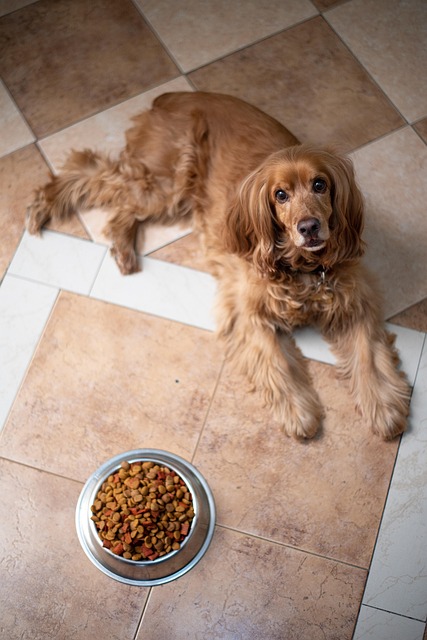
If your dog has a mild upset stomach, the safest things you can offer are fresh water, a short rest from heavy food, and then a small, plain, bland meal such as boiled skinless chicken with plain white rice. That’s what most vets will suggest for a bright, otherwise well adult dog with a one-off bout of vomiting or loose stools. What you should not do is reach for the human medicine cabinet. Several common painkillers and anti-diarrhea products can harm dogs.
This article covers what’s reasonable to try at home, what to leave on the shelf, and the signs that mean your dog needs to be seen rather than nursed at home. It’s general information and can’t replace an exam, so if you’re ever unsure, a quick call to your vet’s office is always a sensible move.
First, work out how unwell your dog really is
Before you try any home care, take a minute to look at the whole picture. A dog who has vomited once, is still wagging, still interested in water and has a normal energy level is in a very different position from a dog who is hunched, quiet and refusing everything.
Ask yourself:
- How many times has your dog vomited or had diarrhea, and over how long?
- Is your dog still bright, alert and responsive?
- Can your dog keep water down?
- Is there any blood, black tarry stool, or something unusual in the vomit, like fabric, plastic or pieces of toy?
- Could your dog have eaten something they shouldn’t have, such as trash, chocolate, grapes, a corn cob or a human medication?
- Is your dog a puppy, a senior, a very small breed, pregnant, or living with an ongoing condition like diabetes or kidney disease?
If any of those last points apply, or if you answered yes to the blood, foreign object or toxin questions, skip the home care and call your vet. Puppies and tiny dogs can become dehydrated and develop low blood sugar quickly, so they don’t get the same wait-and-see window as a healthy adult.
What you can safely try at home
For a mild upset in an otherwise healthy adult dog, these steps are widely used and generally low-risk.
Fresh water, offered little and often
Vomiting and diarrhea both drain fluids, so water matters more than food. If your dog gulps a big bowl and brings it straight back up, take the bowl away for a short while and offer small amounts more often instead. A few laps every so often is easier on a sore stomach than a huge drink. Some dogs will lick ice cubes, which can help if they’re gulping.
A short break from food
Giving the gut a rest can help it settle. Many vets suggest holding back food for roughly half a day in a healthy adult dog with a mild upset, but this isn’t right for everyone. Don’t fast puppies, toy breeds, underweight dogs, or dogs with diabetes or other health conditions unless your vet specifically tells you to. If you’re not sure which group your dog falls into, ask first.
A bland diet, in small portions
Once your dog has stopped vomiting and seems interested in food, offer a small meal of something plain and easy to digest. The classic option is:
- Boiled, skinless, boneless chicken breast (no oil, salt, butter, garlic or onion)
- Plain cooked white rice
Lean boiled ground turkey, or plain cooked white fish, can work too. Plain, cooked, mashed potato or plain canned pumpkin (the 100% pumpkin kind, not pie filling, which contains sugar and spices) are other gentle extras that some vets recommend, especially for loose stools.
Go slowly. Offer a few spoonfuls first, then wait a couple of hours. If that stays down, you can offer a little more, then build up to several small meals across the day instead of one big one. Your vet can tell you the right amount for your dog’s size, and it’s worth asking, because a bland diet isn’t a complete diet and isn’t meant for long-term feeding.
After a day or two of normal stools and a good appetite, mix your dog’s usual food back in gradually over a few days, rather than switching straight back. A sudden jump back to a rich diet is a common reason for a relapse.
Vet-recommended extras
Some vets recommend a dog-specific probiotic after a tummy upset, or a prescription gastrointestinal diet that’s easier to digest. These can be useful, but they’re best chosen with your vet’s guidance, particularly as products vary a lot in quality. Don’t give human probiotic supplements or yogurt as a substitute without checking, since some contain sweeteners or ingredients that don’t suit dogs, and many dogs are sensitive to dairy.
What not to give your dog
This is where well-meaning owners most often get into trouble. When your dog is unwell and you want to help, it’s tempting to use what’s in your own bathroom cabinet. Please don’t, unless your vet has told you to.
- Ibuprofen, naproxen, aspirin or acetaminophen (Tylenol). These can cause stomach ulcers, kidney damage or liver damage in dogs, even at amounts that seem small. Pain relief for dogs should only ever come from your vet.
- Loperamide (Imodium). Some dogs carry a gene change (often called MDR1) that makes them very sensitive to this drug. It’s more common in herding breeds like Collies and Australian Shepherds, but any dog can be affected, and if the diarrhea is caused by an infection or something toxic, slowing the gut down isn’t always helpful.
- Pepto-Bismol and similar products. These contain a salicylate related to aspirin and can darken stools, which makes it harder to spot real bleeding. Only use them if your vet specifically advises it.
- Antacids or acid reducers. A vet may suggest one in certain cases, but the product and the amount have to be right for your dog. Don’t guess.
- Milk and dairy. Many adult dogs don’t digest lactose well, so milk can make diarrhea worse.
- Fatty, greasy or heavily seasoned food. Rich leftovers are a common trigger for tummy upsets and, in some dogs, for pancreatitis (painful inflammation of the pancreas).
- Onion, garlic, grapes, raisins, chocolate or xylitol (a sweetener). Check that nothing in your homemade broth, baby food or “gentle” meal contains these, as all are harmful to dogs.
- Homemade or herbal remedies you’ve read about online. Some herbs and essential oils are not safe for dogs. If you’re curious about a natural option, ask your vet first.
Why dogs get upset stomachs
Knowing the likely cause helps you decide how worried to be. Common reasons include:
- Dietary indiscretion. This is the polite vet term for eating something they shouldn’t have: garbage, table scraps, dead things on a walk, or a new treat.
- A sudden diet change. New food introduced too fast often leads to loose stools.
- Eating too fast, or too much. This is especially common in greedy dogs and can lead to vomiting soon after meals.
- Stress. Boarding, travel, visitors or changes at home can cause colitis (an irritated large bowel) in some dogs.
- Infections. Viruses, bacteria and parasites like Giardia or worms can all cause stomach upsets. Puppies who aren’t fully vaccinated are at particular risk of serious viral illness.
- Food intolerance or allergies. These tend to cause repeated or long-running problems rather than a single episode.
- Something more serious. Pancreatitis, foreign objects stuck in the gut, kidney or liver disease, and poisoning can all begin with vomiting or diarrhea.
That last group is the reason not to dismiss symptoms that drag on or keep returning.
When to call your vet, and when it’s an emergency
A mild upset in a healthy adult dog often improves within a day or so. Call your vet’s office the same day if:
- Vomiting or diarrhea continues for more than about 24 hours, or keeps coming back after your dog seems to recover
- Your dog can’t keep water down
- Your dog is very quiet, weak, or not eating for more than a day
- Your dog is a puppy, a senior, a small breed, or has an existing health condition
- You notice weight loss, or repeated episodes over weeks
Contact an emergency vet immediately if you see:
- Repeated vomiting, or vomit containing blood or what looks like coffee grounds
- Black, tarry stools, or stools with a lot of fresh blood
- Unproductive retching, especially with a swollen, tight belly and restlessness. This can signal a twisted stomach (GDV), which is life-threatening and most common in deep-chested breeds
- Pale or white gums, collapse, or severe weakness
- A painful, hunched posture, or crying when the belly is touched
- Suspected poisoning or swallowing of a toy, sock, corn cob, bone or medication
If you think your dog has eaten something toxic, don’t wait for symptoms and don’t try to make your dog vomit at home unless a vet tells you to. Call your vet, an emergency clinic, or a poison helpline, such as the ASPCA Animal Poison Control Center or Pet Poison Helpline. Both are paid services but can give you advice fast.
Helping prevent the next tummy upset
A few habits make a real difference:
- Switch foods gradually over about a week, rather than overnight.
- Keep trash secured and watch what your dog picks up on walks.
- Limit rich table scraps and fatty treats, particularly at holidays and cookouts.
- Use a slow-feeder bowl if your dog gulps meals.
- Keep vaccinations and parasite control up to date, as your vet recommends.
- Keep a note of what your dog ate and when symptoms began. It can help your vet a lot.
Common questions
Can I give my dog Pepto-Bismol for an upset stomach?
It’s best not to, unless your vet has told you to and given you the amount for your dog. It contains a salicylate related to aspirin and can cause problems, including making it harder to tell whether there’s bleeding in the stool.
Is plain rice enough on its own?
Plain rice is gentle, but it isn’t a balanced meal. For a day or two, rice with a little boiled chicken is fine for most healthy adults. If your dog needs bland food for longer than that, your vet should be involved.
How long should I wait before calling the vet?
For a healthy adult with a single mild episode, watching for a day is usually reasonable. For puppies, seniors, small dogs, or any dog who seems dull, in pain or is vomiting repeatedly, call sooner. If you’re not sure, ring and ask. Most practices would rather hear from you early.
Can dogs eat grass to settle their stomach?
Many dogs eat grass, and the reasons aren’t fully understood. Some vomit afterward, but it isn’t a reliable cure. If your dog is eating lots of grass and vomiting often, it’s worth mentioning to your vet.