Can Dogs Eat Corn? Sweetcorn, Cobs and Popcorn Explained
Plain sweetcorn kernels are fine for most dogs in small amounts, but corn cobs can cause dangerous blockages. Here's what UK owners should know.
The short answer
Yes, most dogs can eat corn kernels. Plain sweetcorn, cooked or tinned without added salt or sugar, is not toxic and can be an occasional treat in small amounts. Corn is also a common ingredient in complete dog foods, where it’s usually ground and cooked so your dog can digest it properly.
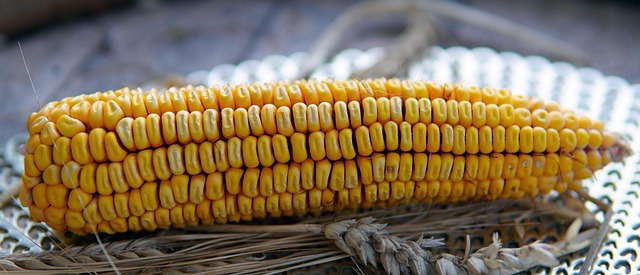
The big exception is corn on the cob. Dogs love gnawing them, but the cob itself doesn’t break down in the gut and is one of the classic causes of intestinal blockages that need emergency surgery. If you remember one thing from this article, make it that: kernels in moderation are fine, cobs are not.
Below, we’ll look at what corn offers your dog, how to serve it, which corn-based snacks to avoid, and what to do if your dog has already eaten a cob.
Is corn actually good for dogs?
Corn has a bad reputation in the pet food world. You’ll often hear it called a cheap filler with no value. That’s not really fair. Maize, as it’s known on ingredient lists, supplies carbohydrate for energy, plus some fibre, a little protein and essential fatty acids such as linoleic acid, which helps keep skin and coat in good condition. It also contains small amounts of vitamins and plant pigments.
That said, a spoonful of sweetcorn on top of your dog’s dinner isn’t going to transform their health. A dog eating a good-quality, complete and balanced diet already gets what they need. Think of sweetcorn as a low-key extra, not a supplement.
There’s one nuance worth knowing. The tough outer skin of each kernel is hard for dogs to digest, which is why you may spot whole yellow kernels in your dog’s poo the next day. That’s usually harmless and just means the skin passed straight through. It does mean your dog gets less goodness from whole kernels than from the ground maize in their food.
Corn on the cob: the real danger
A cob is a woody, fibrous core, roughly the size and shape of something that can lodge neatly in a dog’s digestive tract. Your dog may chew off the kernels and then swallow chunks of cob, or swallow pieces whole. Because the cob doesn’t soften or dissolve, it can get stuck in the stomach or further along in the small intestine. Once it does, food and fluid can’t pass, and that’s a surgical emergency in many cases.
Cobs turn up in everyday places, which is how many dogs get hold of them:
- Left on the plate or the edge of the barbecue table
- Dropped on the floor during a summer cook-out
- Raided from the kitchen bin or compost bin
- Tossed into the park or a field after a picnic
- Offered by a well-meaning guest or child who thought it was a treat
Smaller dogs are at greater risk of a blockage from a smaller piece, but large dogs can absolutely get one too. Labradors and other greedy, scavenging dogs are over-represented in vets’ waiting rooms for this kind of thing, though any dog can do it.
Signs of a possible blockage
Signs can show up within hours, or take a day or two. Contact your vet if you notice any of these after your dog may have eaten a cob:
- Repeated vomiting, or vomiting after eating or drinking
- Loss of appetite
- Lethargy or looking unusually flat
- A tense, painful or bloated tummy, or a hunched posture
- Straining to poo, passing very little, or no poo at all
- Diarrhoea, sometimes with a very unwell dog
A partial blockage may let a bit of liquid through, so a dog can seem to improve and then get worse again. Don’t wait for a clear pattern before calling.
What to do if your dog has swallowed a cob
Call your vet straight away, even if your dog seems fine. Your vet may want to see them promptly, and in some cases may recommend X-rays or an ultrasound scan. Corn cobs often don’t show up clearly on X-rays, so imaging doesn’t always give a simple yes or no answer, and your vet will make a judgement based on the whole picture.
Don’t try to make your dog sick at home, and don’t give them anything to ‘help it pass’. Making a dog vomit can cause harm, and a cob coming back up can lodge in the throat. If it’s out of hours, use your practice’s emergency number or your nearest out-of-hours vet. Tell them roughly how much cob your dog could have eaten and when, and bring any remains if you have them.
Sweetcorn kernels: how to serve them
If you’d like to give your dog some corn, keep it simple.
- Choose plain. Fresh, frozen or tinned sweetcorn is fine, as long as there’s no added salt, sugar, butter, oil, onion, garlic or seasoning. Tinned corn is often packed in brine, so pick one with no added salt, or drain and rinse it well.
- Cut it off the cob yourself. Stand the cob upright and slice downwards with a knife. Then bin or securely dispose of the cob where your dog can’t reach it.
- Cook it lightly. Boiling or steaming plain kernels makes them a little easier to digest. Let them cool fully before serving.
- Keep portions small. As a rough guide, a teaspoon or two for a small dog and a tablespoon or two for a large dog is plenty. Treats of all kinds should make up no more than about 10% of your dog’s daily calories.
- Introduce it gradually. A new food can upset some dogs’ stomachs. Start with a few kernels and see how your dog gets on over the next day.
Some owners mash a few kernels into a stuffed toy or stir them into a bowl of food for variety. Frozen kernels can be a cheap, crunchy summer treat, though for small dogs and enthusiastic gulpers, it’s wise to supervise them.
Popcorn, tortilla chips and other corn products
Not everything made from corn is equal. Here’s how some common ones stack up.
Popcorn. Plain, air-popped popcorn with nothing added is generally fine in small amounts. The trouble is that most popcorn isn’t plain. Cinema and microwave varieties are loaded with salt, butter, sugar or toffee, and the flavoured ones may include onion or garlic powder, which aren’t safe for dogs. Unpopped or half-popped kernels can also crack teeth or get stuck in the throat. If you want to share, pop a few plain ones yourself and check there are no hard bits.
Tortilla chips, corn snacks and crisps. These tend to be salty, greasy and often seasoned with onion or garlic. They’re best kept for humans.
Cornflakes and sugary cereals. Not toxic in a nibble, but pointless for your dog and often high in sugar.
Cornflour and corn starch. These turn up in baking and gravy. A tiny amount isn’t a worry, but they’re mostly empty calories.
Corn syrup and sweetened products. Avoid. Anything with significant sugar isn’t good for your dog’s waistline or teeth. Also check labels for xylitol, a sweetener that’s very dangerous to dogs, in any ‘sugar-free’ human foods.
Mouldy corn. Grain that’s been poorly stored can grow moulds that produce toxins called aflatoxins. Licensed pet food manufacturers test for this, but a bag of old grain, bird feed or spoiled corn from a shed isn’t safe. Don’t let your dog scavenge from any of these.
Allergies and dogs who need extra care
Corn allergy in dogs does happen, but it’s less common than allergies to proteins such as beef, dairy or chicken. If your dog has itchy skin, recurrent ear infections or tummy trouble, don’t assume corn is the culprit and cut it from their diet by yourself. A vet-supervised elimination diet is the reliable way to find out what’s going on, and guessing often muddles the picture.
Some dogs should only have corn after speaking to your vet:
- Dogs with diabetes, since starchy foods can affect blood sugar
- Overweight dogs, where extra treats need to come out of the daily food allowance
- Dogs with a history of pancreatitis or on a prescription diet, where even small extras may not be advised
- Dogs with a sensitive stomach or known food intolerances
Puppies can try a couple of plain kernels, but they’re better off sticking with their puppy food while their digestion settles. General information like this can’t replace a veterinary examination, so if you’re unsure about your own dog’s needs, ask your vet.
Common questions
Can dogs eat sweetcorn every day?
It’s not harmful in a small amount, but there’s no need for it daily. Your dog gets most of what they need from a complete diet, and regular extras add calories. Keeping sweetcorn as an occasional treat is a sensible approach.
My dog’s poo has whole kernels in it. Should I worry?
Usually not. The outer skin of corn is hard to digest, so kernels often come out looking much as they went in. It’s worth ringing your vet if your dog is also vomiting, off their food, in pain or having trouble pooing, because that could point to something else going on.
Is corn in dog food bad?
Not inherently. Cooked, ground maize is digestible and can be a useful carbohydrate source in a well-formulated food. What matters most is whether the food is complete and balanced for your dog’s age, size and health, not whether it contains one particular ingredient. If your vet has recommended a particular diet, stick with it.
Can dogs eat corn husks or silks?
The leafy husks and silky threads aren’t a good idea. They can be hard to digest and may cause a blockage or an upset stomach, much like the cob. Keep them out of reach along with the cob.
What if my dog ate a small piece of cob and seems fine?
Still ring your vet for advice. Dogs can look well for several hours before signs appear, and the earlier your vet knows, the more options there are. It’s much better to make a phone call that turns out unnecessary than to wait until your dog is poorly.