Are Foxes Part of the Dog Family? What Owners Should Know
Yes, foxes belong to the dog family, Canidae. Learn how they differ from dogs, why they can't interbreed, and how to keep your dog safe around wild foxes.
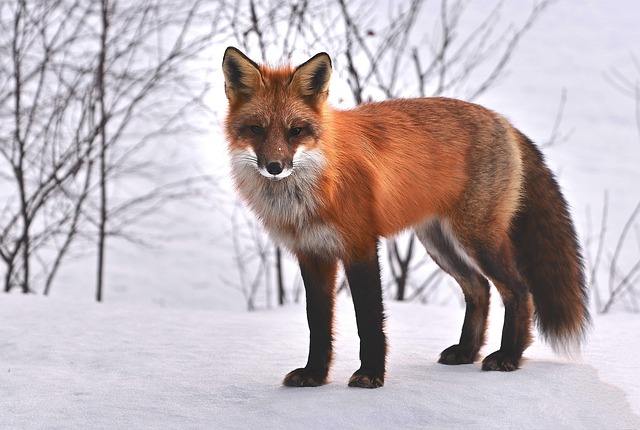
The short answer: yes, foxes are in the dog family
Foxes do belong to the dog family. Scientists call this group Canidae, and it includes domestic dogs, wolves, coyotes, jackals, dingoes and foxes. If you’ve ever looked at a red fox and thought it resembled a medium-sized dog with a very bushy tail, your instincts weren’t far off.
Belonging to the same family doesn’t make them close cousins, though. Think of it the way you might think of lions and house cats. Both are cats, but nobody would confuse their lifestyles. Your Labrador or Chihuahua descends from the gray wolf. Foxes branched off from the wolf-like canids a long time ago, roughly ten million years by most estimates, and have been evolving along their own path ever since.
So the honest answer has two parts. Yes, foxes are canids. No, they aren’t just wild dogs.
How the dog family is organized
It helps to picture the family as a tree with a few main branches.
- Wolf-like canids. This branch includes the gray wolf, coyotes, jackals and your dog. Domestic dogs are classed as a subspecies of the gray wolf.
- Fox-like canids. This branch includes the red fox, Arctic fox, fennec fox, swift fox, kit fox and several others, known as the “true foxes.”
- South American canids. This group includes the maned wolf and the bush dog. Despite the name, the maned wolf is neither a wolf nor a fox.
- Odd ones out. The raccoon dog of East Asia is a canid. The gray fox of North America sits on its own ancient branch and is known for being able to climb trees.
The word “fox” is a bit loose in everyday speech. Some animals with fox in their name are only distant relatives of the red fox you might spot at the edge of a field. What they all share is the basic canid body plan: a long muzzle, an excellent sense of smell, non-retractable claws and a body built for running and hunting.
What foxes share with your dog
There’s a lot your dog would recognize in a fox, and probably does when the scent drifts across the yard.
- Teeth and diet. Both have the shearing back teeth of a meat-eater. Foxes are opportunists and eat small mammals, birds, insects, fruit and scraps. Dogs also manage a mixed diet, which is why they cope with commercial food containing meat and plant ingredients.
- Scent and sound. Both use urine and scent glands to mark territory, and both communicate with barks and other vocalizations. A fox’s bark and its eerie scream during the breeding season can sound surprisingly dog-like or, to a startled owner at night, not like a dog at all.
- Body language. Foxes use ears, tail and posture to signal mood. A dog that’s seen a fox often shows the same stiff, intent stance it would use toward any other prey or intruder.
- Digging and caching. Many dogs bury toys and bones. Foxes bury surplus food too, and dig dens. If your dog loves digging, that instinct has deep roots in the family.
How foxes differ from dogs
The differences matter more for understanding behavior and risk than the similarities do.
Pupils and eyes. Red foxes have vertical, slit-like pupils in bright light, a bit like a cat’s. Dogs have round pupils. It’s one of the easiest visual clues that you’re looking at something different.
Chromosomes. Dogs have 78 chromosomes. A red fox has 34, plus a variable number of small extra “B” chromosomes. That mismatch is a big reason foxes and dogs can’t produce offspring together. You may have heard stories of “dog-fox hybrids.” There’s no credible evidence they exist, and the genetics make it effectively impossible.
Social life. Wolves live in packs and dogs evolved to live closely with people. Red foxes are mostly solitary or live in pairs and small family groups. They’re wary of humans and don’t have the long history of living alongside us that gave dogs their social skills.
Build and movement. Foxes are lighter, with finer bones and a long, brush-like tail. They’re built for stalking and pouncing, the classic high leap onto a mouse hidden in grass.
Domestication. Dogs were shaped by many thousands of years of living with people. Foxes weren’t. A fox raised by hand doesn’t become a dog. It stays a wild animal with a wild animal’s instincts.
Can you domesticate a fox?
This is where the topic gets interesting. In 1959 the Russian scientist Dmitri Belyaev began an experiment with silver foxes (a color form of the red fox) at a fur farm in Siberia. He bred only the calmest, least fearful individuals from each generation. Within a relatively small number of generations, the foxes were more tolerant of people, wagged their tails and sought attention. Some also developed floppy ears, curly tails and patchy, piebald coats, traits that appear in many domestic animals.
That work is a famous illustration of how selecting for temperament can change an animal’s whole appearance and behavior. It doesn’t mean a fox from the woods or a pet-trade fox is safe or easy to keep. Those foxes haven’t been through generations of selective breeding. They can be destructive, noisy, hard to house-train and prone to stress in a home. They also have a strong musky scent.
Laws on keeping foxes as pets vary a lot between states, and many places restrict or ban it. If you’re curious about exotic canids such as fennec foxes, check your state wildlife agency’s rules first. Even where it’s legal, vets with the right experience can be hard to find.
Fox encounters: risks for your dog
Most fox sightings are harmless. A fox crossing a field at dusk usually wants nothing to do with you or your dog. But because foxes are wild animals, there are a few health considerations worth knowing about.
Rabies
Foxes are among the wildlife species that can carry rabies in the United States, along with raccoons, skunks and bats. Rabies is a fatal disease once symptoms develop, and it can spread to people. Keeping your dog’s rabies vaccination up to date is the single most important thing you can do, and it’s required by law in most states. The Centers for Disease Control and Prevention (CDC) has clear information on rabies and wildlife.
A fox that approaches people or dogs boldly, appears disoriented, seems unusually tame, or is active in the middle of the day may be sick, though daytime activity alone isn’t proof. Foxes with cubs sometimes forage in daylight. Don’t approach, and call animal control or your local wildlife agency.
Mange
Sarcoptic mange, caused by a burrowing mite, is common in foxes and can pass to dogs through contact or shared spaces. In a dog it causes intense itching, redness, hair loss and crusting, often starting on the ears, elbows and belly. A fox with mange may look thin, with patchy or nearly bare fur and thick crusty skin. If your dog starts scratching a lot after fox contact, see your vet. It’s treatable, but it needs the right diagnosis and prescription treatment.
Parasites and other infections
Foxes can carry roundworms, other intestinal parasites and fleas. They can also carry canine distemper, another reason core vaccines matter. In parts of North America, a fox tapeworm (Echinococcus multilocularis) can occur in wild canids. Dogs that eat small rodents or roll in fox droppings could be exposed. Ask your vet which parasite risks apply where you live and how often your dog should be tested and treated.
Fights and injuries
A fox is unlikely to pick a fight with a large dog, but a cornered or protective fox can bite. Small dogs are more vulnerable, particularly around dusk, dawn or at night. Keep small dogs on a leash and supervised when in the yard after dark.
What to do if your dog meets a fox
- Call your dog back calmly. Use a recall cue you’ve practiced, and leash your dog if you can do it safely. Don’t chase the fox or let your dog do so.
- Don’t try to separate a fight with your bare hands. A frightened dog may bite by accident. Make a loud noise or toss something nearby to break the focus if you need to, and keep yourself safe.
- Check your dog over. Look for puncture wounds, which can hide under fur and look small despite going deep. Contact your vet the same day if you find any bite, or if your dog was in a fight with a wild animal and you’re unsure about its rabies vaccination status.
- Call your vet promptly or an emergency clinic if your dog has a deep wound, is bleeding heavily, seems in pain or becomes lethargic. Rabies exposure is a medical matter, so don’t wait to see how things go.
- Tell animal control if the fox seemed sick or acted oddly.
This is general information and can’t replace a veterinary examination, so if you’re worried about your dog after any wildlife contact, phone your vet.
Common mistakes
- Leaving pet food or garbage outdoors, which draws foxes into yards.
- Letting dogs roam off leash at dusk in areas with known fox activity.
- Assuming a small bite wound is minor. Wounds from wildlife always deserve a call to your vet.
- Feeding foxes. It makes them bolder and more likely to be a problem for neighbors and dogs.
Common questions
Are foxes more closely related to dogs or cats?
Dogs, by a long way. Foxes are canids. Cats belong to a different family, Felidae. Foxes may have some cat-like traits, such as vertical pupils and stalking behavior, but those evolved separately.
Can a dog and a fox have puppies?
No. They have very different chromosome numbers, so they can’t produce offspring together. Reports of dog-fox hybrids are myths or misidentified animals.
Is a fox a wolf or a dog?
Neither. A fox is a separate, smaller branch of the dog family. Dogs are descended from wolves, while foxes split off earlier and have their own distinct lineage.
Can my dog catch something from a fox?
It can, though it doesn’t happen often. Rabies, mange, distemper and some intestinal parasites are the main concerns. Keeping vaccinations and parasite prevention current, and calling your vet after any contact or bite, covers most of the risk.
Are foxes dangerous to people?
Healthy foxes are generally shy and avoid people. The main concern is a fox that’s sick or has become used to being fed. Keep your distance, never feed them, and report any fox behaving strangely.